Conwy Castle
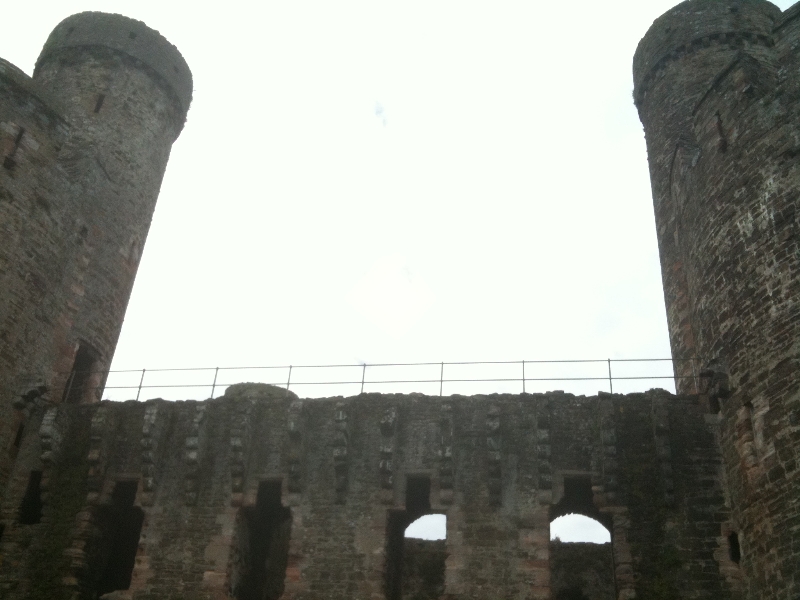
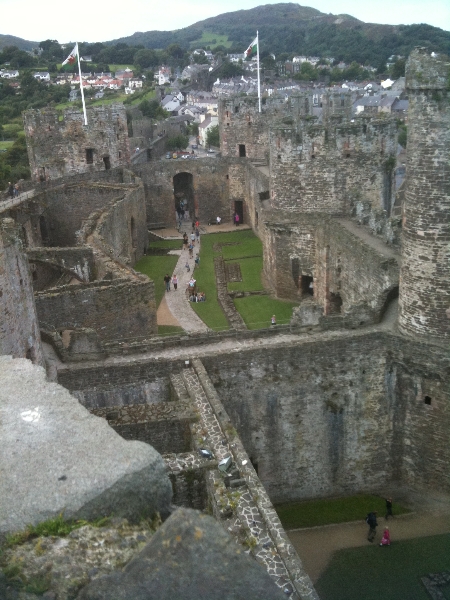
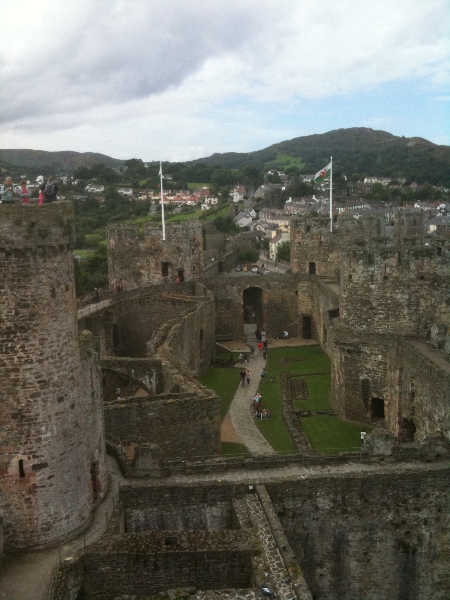
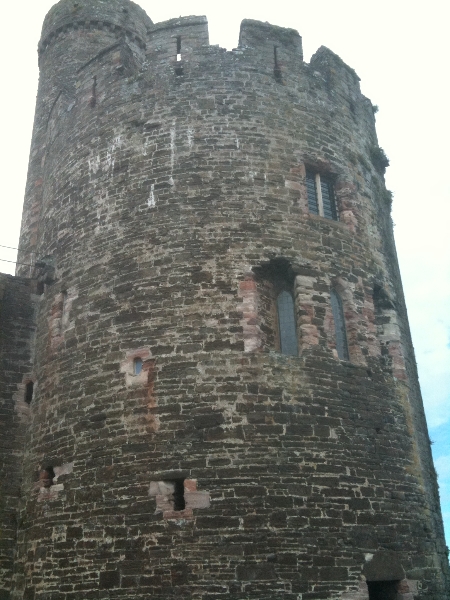
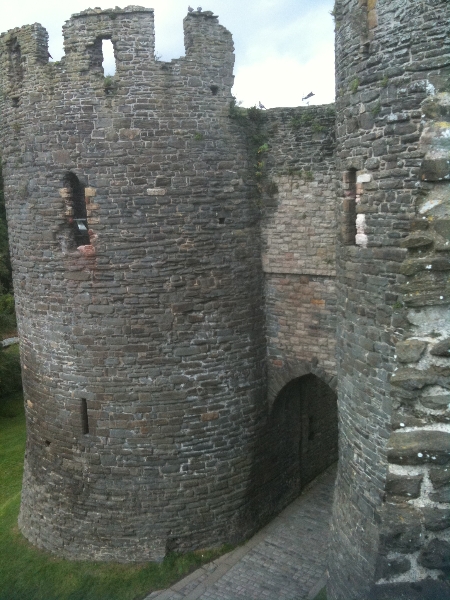
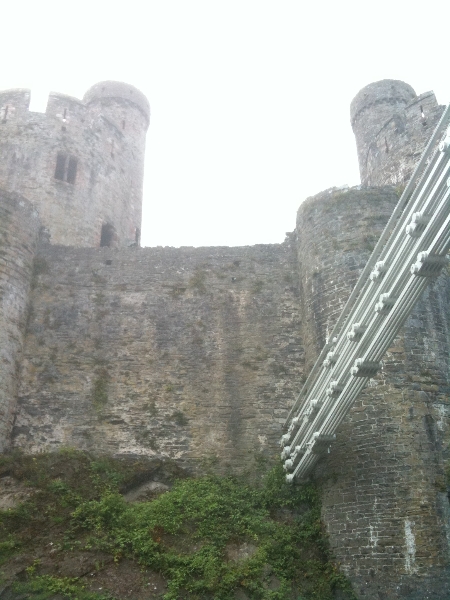
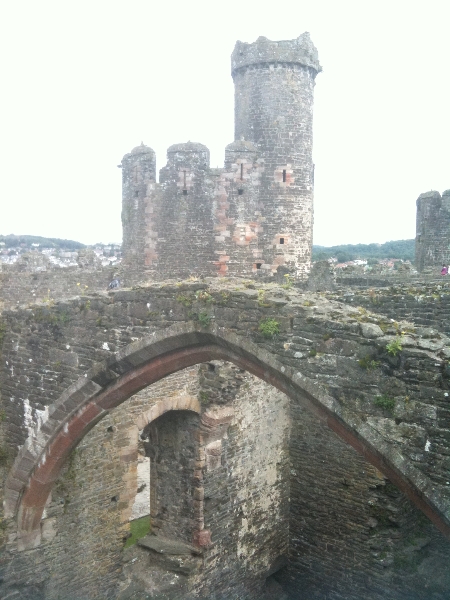
Conwy Castle dominates the mouth of the River Conwy and the medieval walled town of Conwy in North Wales like a huge goliath and serves as the major tourist attraction in the county of Conwy. The castle was built on the orders of King Edward I of England and construction began in 1283 under the direction of Edward’s chief architect James of St. George. Today the castle is one of the best preserved castles in the whole of North Wales.
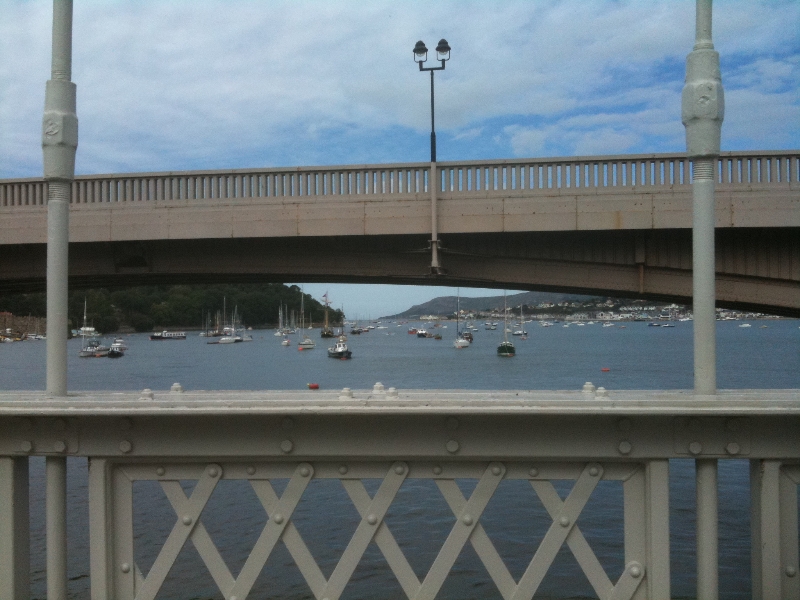
Conwy Suspension Bridge
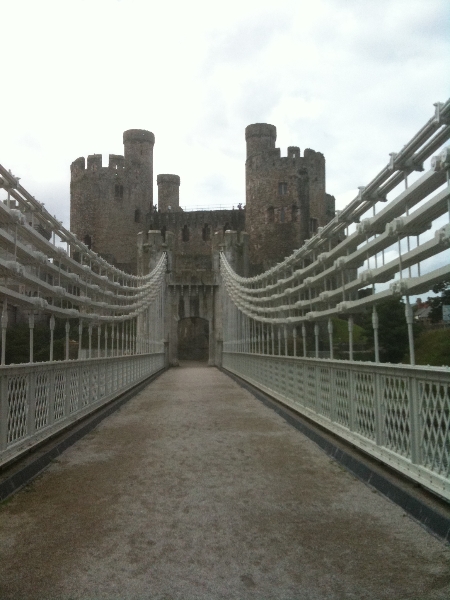
See how trade and travel brought Conwy to life and discover how a husband and wife kept Thomas Telford’s bridge open every day of the year, whatever the weather.
The Smallest House in Great Britain
The Smallest House in Great Britain, also known as the Quay House, is a tourist attraction on the quay in Conwy, Wales. The 3.05 metre by 1.8 metre (10 feet by 6 feet) structure was used as a residence from the 16th century until 1900. The house was lived in until 1900, when the owner was a 6ft 3 inch (1.9 meters) fisherman named Robert Jones. The rooms were too small for him to stand up in fully and he was eventually forced to move out when the council declared the house unfit for human habitation. The house is still owned by his descendants. This house is currently red. It stands near the Conwy Castle walls and people can enter for £1.00 (or 50p for children). There is information about the house inside. The upstairs is so minute that there is room only for one bed and a bedside cabinet. Visitors can’t walk about on the 2nd floor, but can view it from the step ladder. There’s just about enough room for one stove, a water tap, a bedside cabinet and a bed.
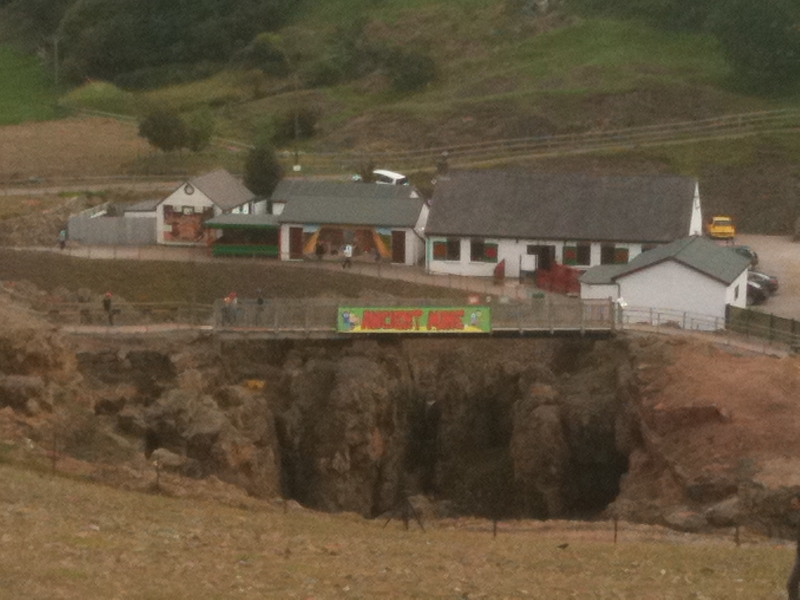
The Great Orme
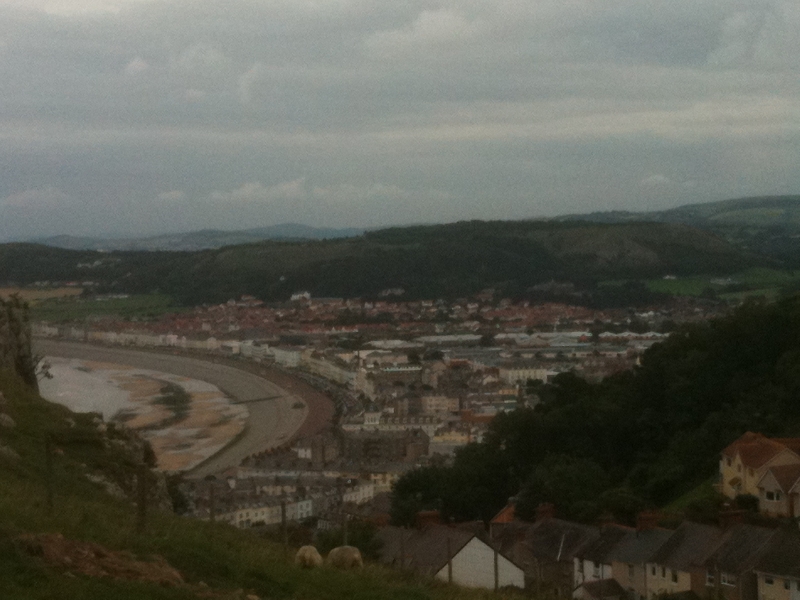
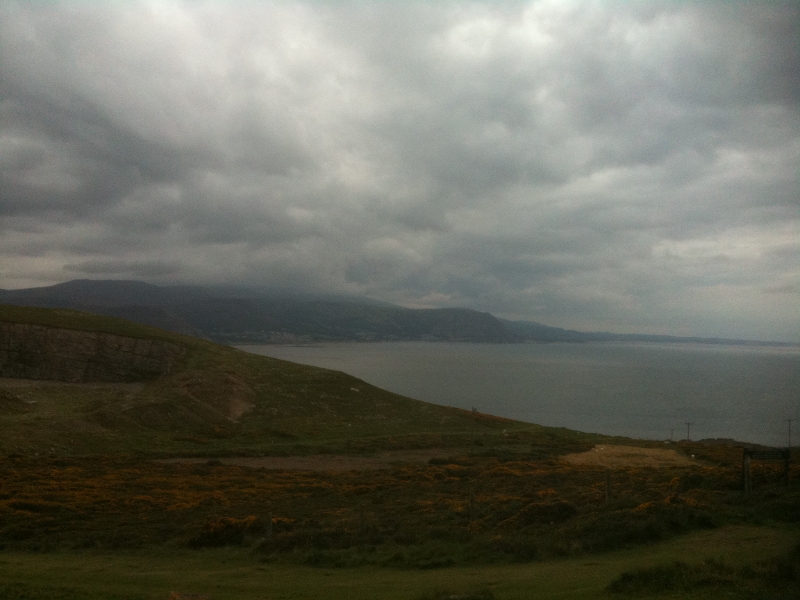
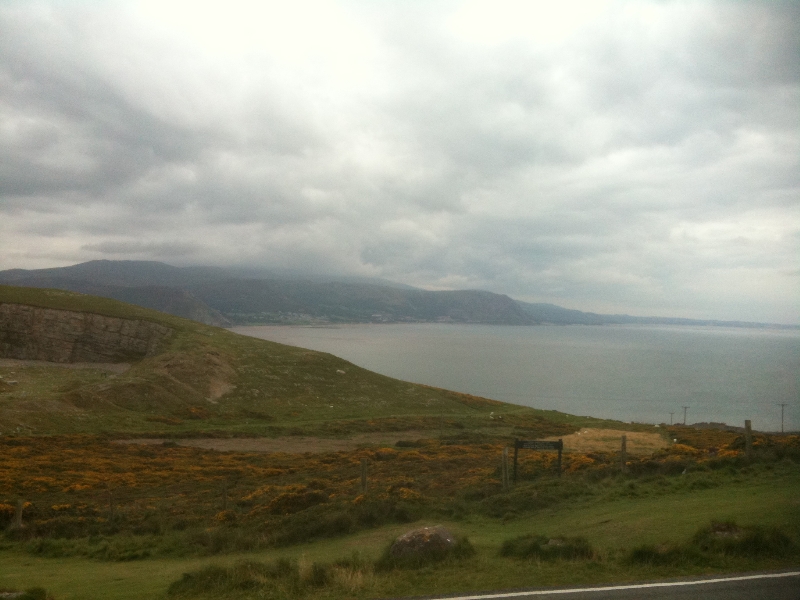
The larger limestone headland on the Creuddyn Peninsula has long been called Great Ormes Head (Welsh name: Pen-y-Gogarth) and Orme is in fact a Viking name one of the meanings of which is ‘Serpent’ and they are thought to have reminded early sailors of giant sea serpents. Jointly with the Little Orme, in Victorian times, they were often simply called ‘The Ormesheads’.
The Great Orme Tramway
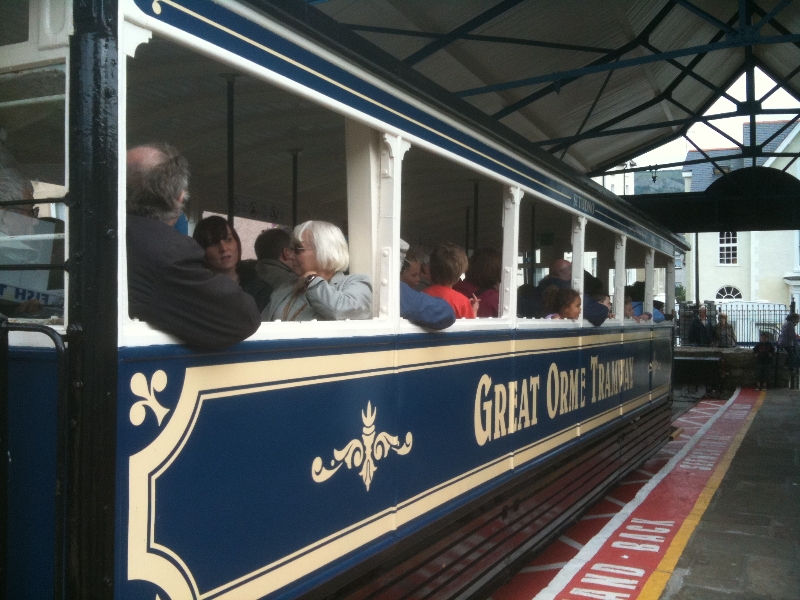
This is Great Britain’s only remaining cable operated street tramway and one of only three surviving in the world. Operation of the tramway differs from the famous and unique San Francisco system in that, like the Lisbon lines, it is a street funicular, where the cars are permanently fixed to the cable and are stopped and started by stopping and starting the cable. The line was incorporated by the Great Orme Tramways Act of 1898 with authorised share capital of £25,000. Construction began in 1901. The line starts at the Victoria Station in Church Walks, Llandudno. The line is in two sections and passengers change cars at the Halfway Station. The lower section climbs the very steep Old Road and then via Black Gate and Ty Gwyn Road to the Halfway Station and has a maximum grade of 1 in 4. The line climbs 400 feet in about half-a-mile. It was opened for passengers on July 31st 1902. The upper section, opened in 1903, is less steep and climbs 150 feet in about the same distance. Financial difficulties in the 1930’s resulted in the tramway being sold in 1935 to a new company Great Orme Railway Limited. The tramway remained in private hands until 1949 when Llandudno Urban District Council bought it under its powers to compulsorily purchase the undertaking at seven yearly intervals. In 1974 Aberconwy Borough Council took over the line until 1996 when ownership passed to Conwy County Council. Prior to the introduction of radio control in the 1990’s, the trolley poles were used to maintain a telegraph link with the control unit at the halfway winding house, which was powered by steam until conversion to electrical operation in the 1950’s. The winding house contains two sets of cable winding gear. The upper section needs a seven-eighths inch diameter cable and is run by a 75hp English Electric motor. The lower section uses a 1¼ inch cable and a 125 hp electric motor.
Llandudno Pier
Llandudno Pier was designed by Brunlees and McKerrow. Taking 2 years to construct, building commenced in 1876 and the Pier was completed in 1878. The Pier is known for it splendid Victorian and Edwardian elegance. Constructed of wrought iron lattice girders resting on cast iron columns, and finished with a traditional wooden decking. The Pier’s total length is 2295ft, of which the main Pier is 1234ft, stretching majestically into the Irish Sea. Llandudno Pier was originally operated by the Llandudno Pier Company. In 1968 the Pier was purchased by the Trust House Forte Group, and then became part of the First Leisure Corporation in 1983. Today Llandudno Pier is owned and operated by Six Piers Ltd and still retains it elegant Victorian appearance, referred to by some as the “Queen of Welsh Piers” The Pier Pavilion was famous for its musical concerts and was the venue at which the world famous conductor, the late Sir Malcolm Sergeant first appeared (1926/1927 Seasons). In later years such household names as George Fornby, Ted Ray, Semprini. Petula Clark, Arthur Askey, Bryan Johnson, Bill Maynard (“Greengrass” in Heartbeat), Jimmy Edwards, Russ Conway, the Beverley Sisters, and Cliff Richard all appeared at the Pier Pavilion. In 1994 Pier Pavilion was ravaged by fire, leaving just the ornate wrought iron supports standing. The Piers Landing Stage was used for many years for sailings to and from Liverpool, the Isle of Man, and pleasure trips around the North Wales Coast. Many famous faces have sailed to the Pier over the years including Ringo Starky, who went on the achieve fame as The Beatles – Ringo Starr. Sailing to and from the Pier came to an end in 2005 due to the condition of the Berthing area. However plans are in place to hopefully restore the landing stage, and once again introduce sailings to and from Llandudno Pier. Six Piers Ltd have continued to invest in the structural maintenance of Llandudno Pier. During the winter months Steel Replacement and renewal of Decking takes place every year. In addition a small but dedicated Maintenance Team work all year long to maintain and improve the standard of the Piers décor and appearance.
Related