Beaumaris Castle
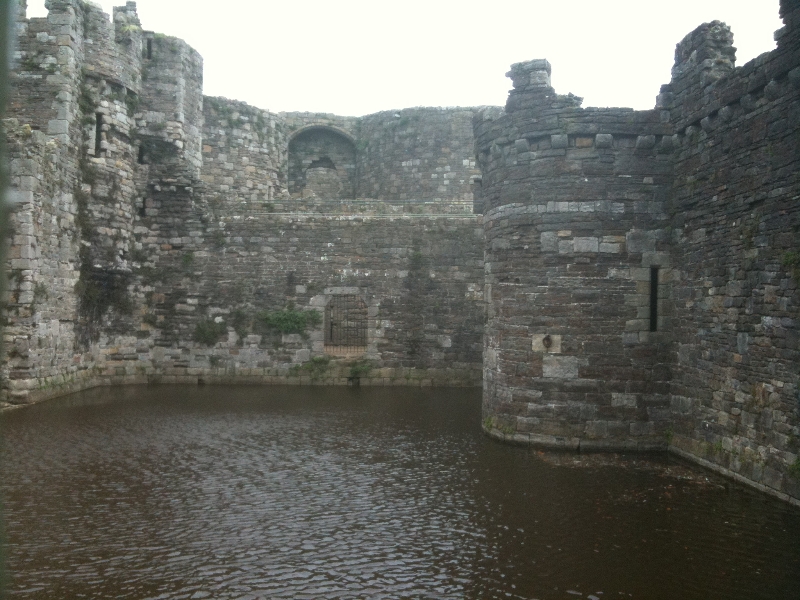
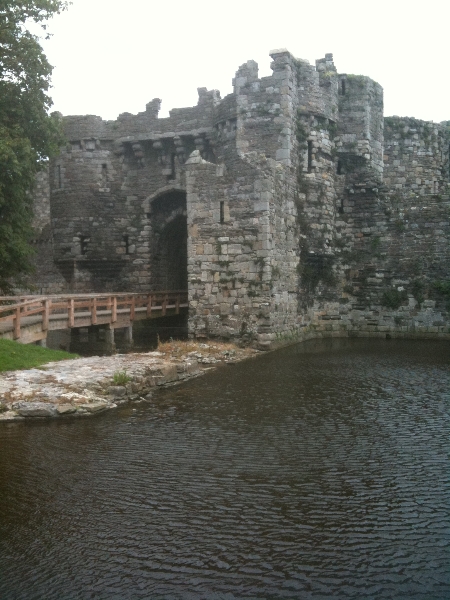
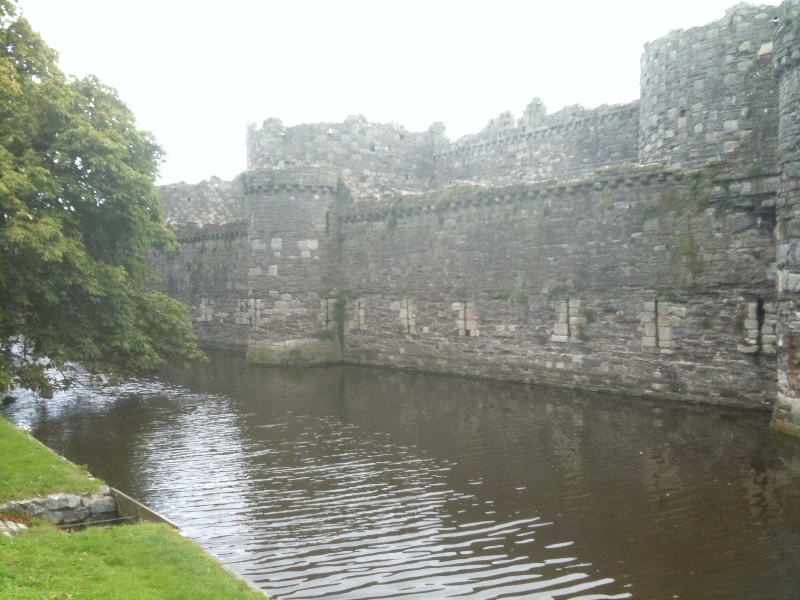
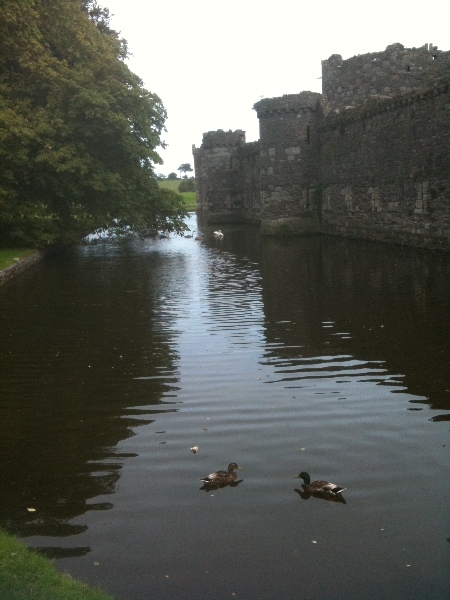
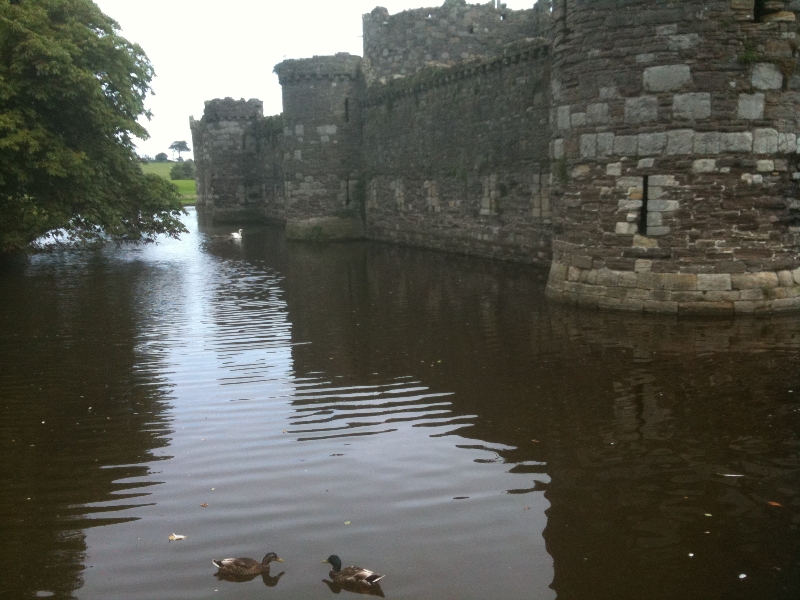
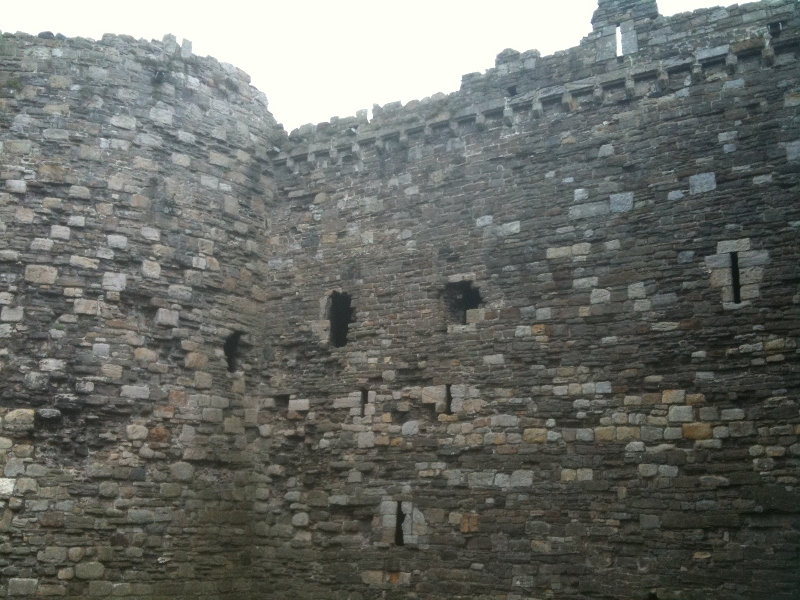
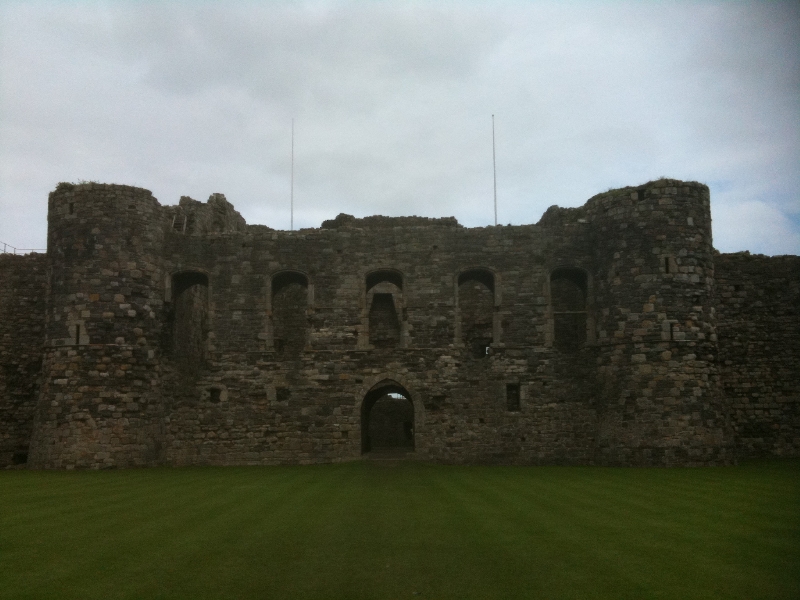
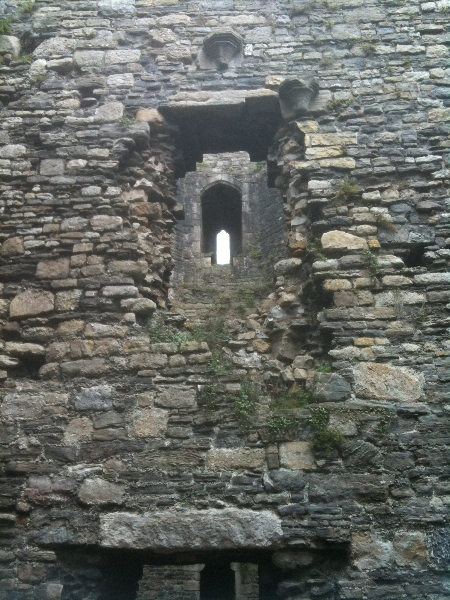
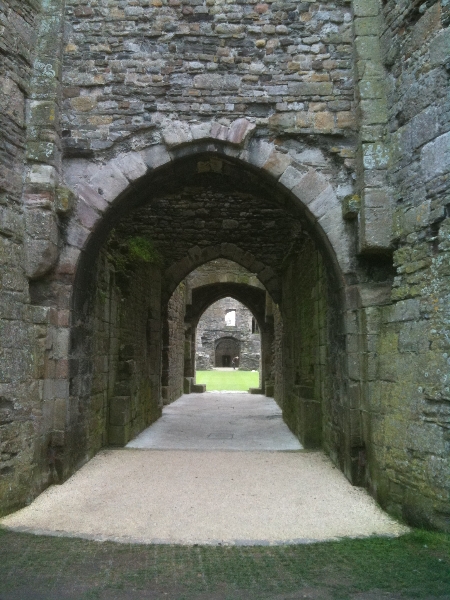
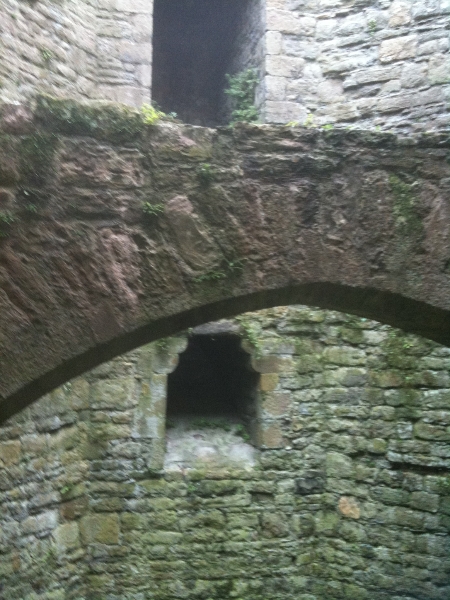
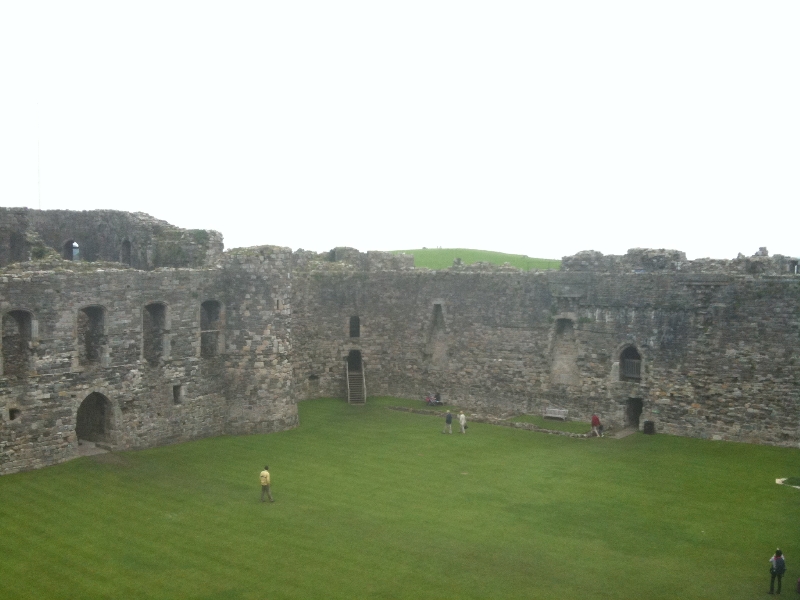
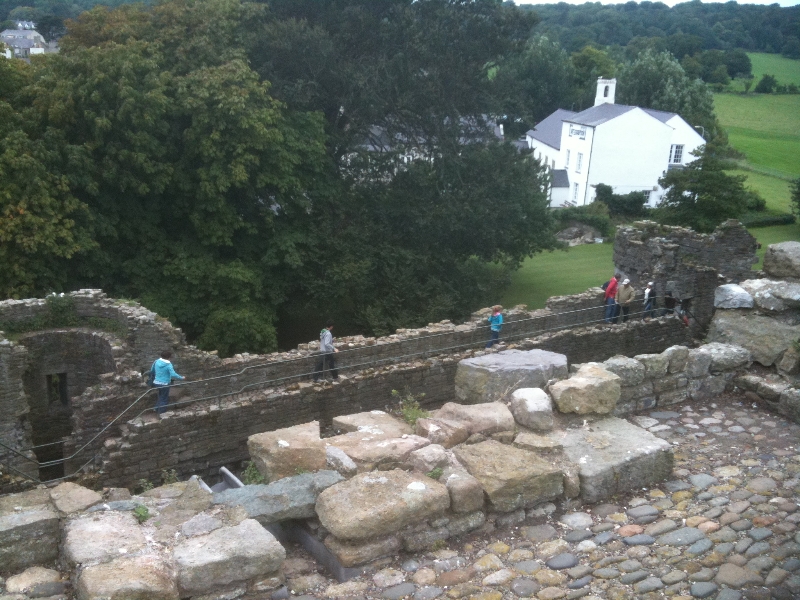
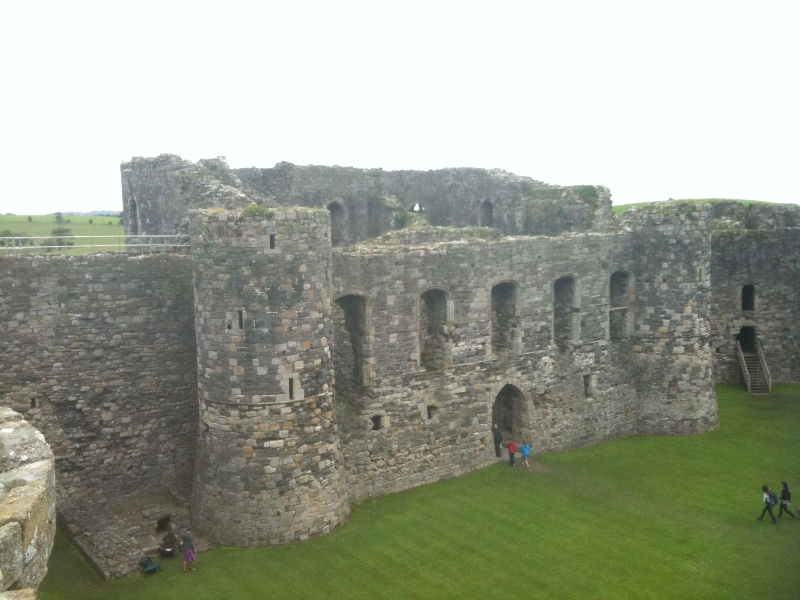
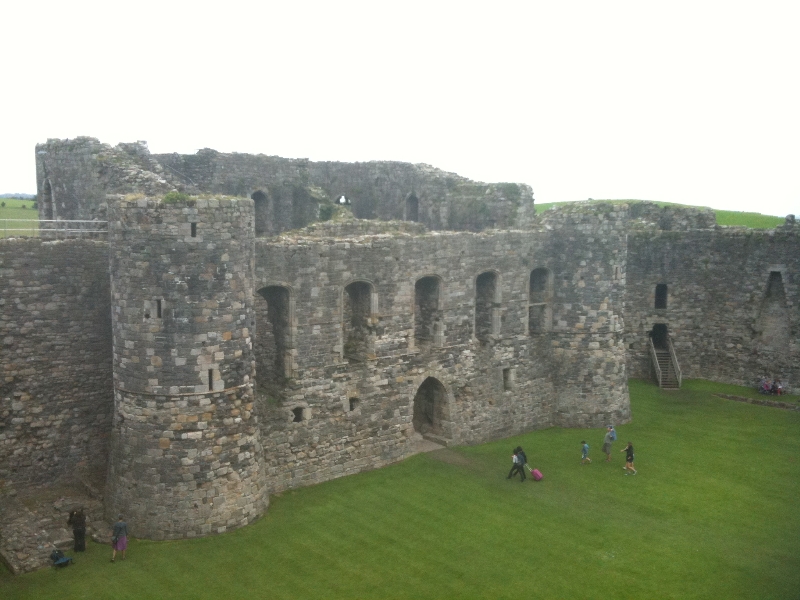
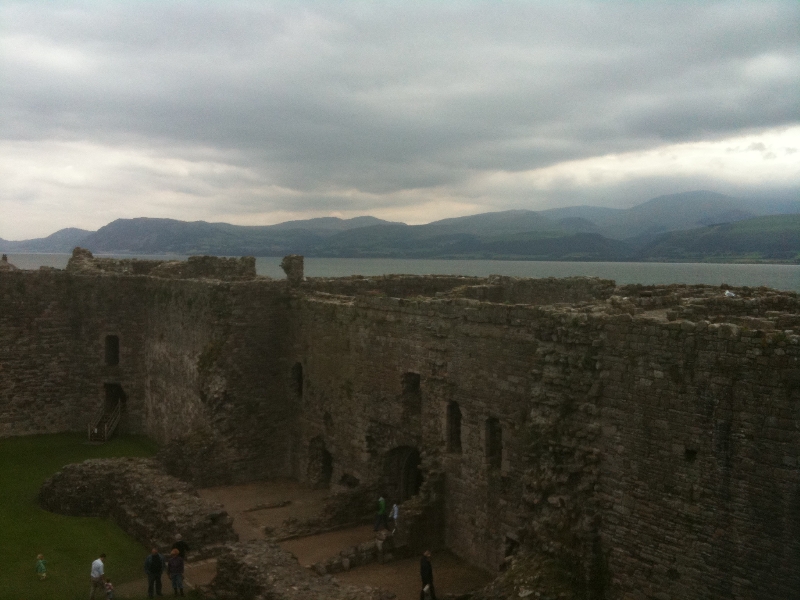
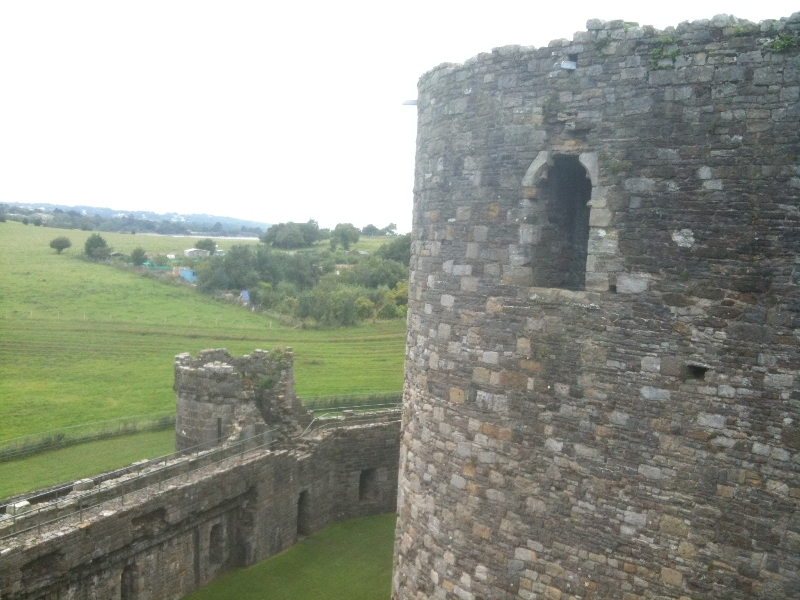
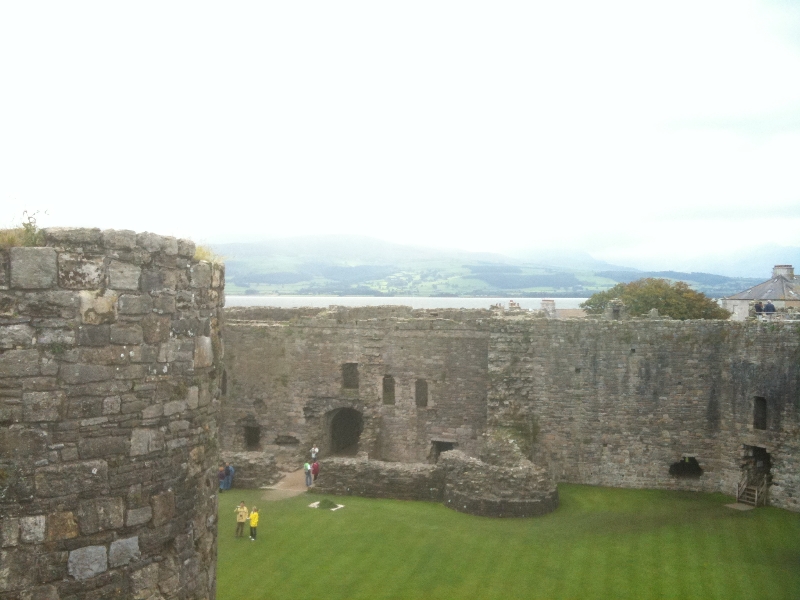
Beaumaris Castle on the Island of Anglesey is the great unfinished masterpiece. It was built as one of the ‘iron ring’ of North Wales castles by the English monarch Edward I, to stamp his authority on the Welsh. But it was never finished money and supplies ran out before the fortifications reached their full height. Beaumaris is nonetheless an awesome sight, regarded by many as the finest of all the great Edwardian castles in Wales. Begun in 1295, it was also the last. The king’s military architect, the brilliant James of St George, brought all his experience and inspiration to bear when building this castle, the biggest and most ambitious venture he ever undertook. In pure architectural terms Beaumaris, the most technically perfect castle in Britain, has few equals. Its ingenious and perfectly symmetrical concentric ‘walls within walls’ design, involving no less than four successive lines of fortifications, was state of the art for the late 13th century. The stronghold stands at one end of Castle Street, inextricably linked with the history of the town. This was the ‘beau marais’ (fair marsh) that Edward chose for a castle and garrison town. From the outside, Beaumaris appears almost handsome. It does not rear up menacingly like other fortresses buts sits contentedly in a scenic setting overlooking mountains and the sea, partially surrounded by a water filled moat. The gate next-the-sea entrance protected the tidal dock which allowed supply ships to sail right up to the castle. Beaumaris is endlessly fascinating. There is so much to see here, the 14 separate major obstacles that any attacker would have to overcome, the hundreds of cleverly sited arrow-slits, the deadly use of ‘murder holes’ to defend entrances. This outstanding fortress is a World Heritage inscribed site.
Penmon Priory
The rise of Christianity in the 6th century was accompanied by the building of monasteries in remote places. Two were built at opposite ends of Anglesey. St Cybi’s monastery was built at Holyhead or Caergybi in Welsh (fort of St Cybi), and the other on the north-eastern side, called Penmon (the head of Anglesey). The two saints were friends, walking the breadth of the island for a weekly meeting. Penmon has a range of different and interesting buildings. The oldest is probably St Seiriol’s well, thought to have healing powers, and visited by pilgrims. The monastery developed over the ages, from a wooden structure, which was destroyed and ransacked by Viking intruders in 971 AD, and then gradually rebuilt as a stone building, throughout the 12th century by Gruffydd ap Cynan and Owain Gwynedd. It is an impressive building, and the best example of its kind in the area. It is a familiar cruciform design, but during the reign of Llywellyn ap Iorwerth, a refectory was added, including a dining hall, dormitory and cellars. Henry VIII dissolved the monastery in 1537, and the lands were passed on to the local landowners, the Bulkeley family, and used as a deer park. Nearby, across the treacherous sound is Puffin Island, or Ynys Seiriol (Seiriol’s Island). A small community was established here at St Seiriol, and a number of mediaeval monastic buildings are to be found here.
Penmon Point Lighthouse
The lighthouse at Penmon Point was built after the tragic disaster of the steam ship Rothesay Castlein 1831. When a day trip from Liverpool turned to tragedy with the loss of passengers and crew, it was decided that a lighthouse and accompanying Lifeboat Station was needed. Today, the lighthouse watches over the treacherous waters between Penmon Point and Puffin Island which, as its names suggests, was once home to a large population of puffins. Although the puffins no longer inhabit the island, this area is still rich in wildlife.
Bangor Cathedral
Bangor Cathedral is an ancient place of Christian worship situated in Bangor, Gwynedd, north-west Wales. It is dedicated to its founder, Saint Deiniol. The site of the present building of Bangor Cathedral has been in use as a place of Christian worship since the 6th century. The cathedral is built on a low-lying and inconspicuous site, possibly so as not to attract the attention of raiders from the sea.
Llanfairpwllgwyngyllgogerychwyrndrobwllllantysiliogogogoch
People have been living in Llanfairpwll since the Neolithic period (4,000-2,000BC). Agriculture was the mainstay of the economy for most of that time, and until the present century most of the farmers were tenants of the great estates. In 1844, for example, 92% of the land in Llanfairpwll was owned by just 3 individuals. For centuries, Llanfairpwll was a small rural settlement. In 1563 there were only 80 people living here, in 16 dwellings. By 1801, however, there were 385 inhabitants and 83 houses, most of them in the old village (Pentre Uchaf, Upper Village). Major changes came in the last century as a result of the construction of Thomas Telford’s new road in the 1820s and the arrival of the railway crossing at Britannia Bridge at the beginning of the 1850s, which led to the development of a new part of the village (Pentre Isaf, Lower Village) around the railway station. As a result, a number of craftsmen, traders and shopkeepers moved into the village, and Llanfairpwll became an important commercial centre, serving the surrounding agricultural areas of Llanedwen and Penmynydd. This exciting period saw the establishment of a Post Office, two schools, half a dozen pubs, a brewery, a hotel for visitors, and (by 1889) 12 grocers in the village, which now had a population of 961. Around 1894 a livestock mart began to be held, and in the nearby harbour of Pwllfanogl a slate factory was opened. The period 1850-1914 was therefore a golden age in the economic history of the village. Llanfairpwll was one of the few parishes in Anglesey (and indeed in rural Wales as a whole) which saw an increase in its population. However, the period after 1918 was a difficult one. When the soldiers came home from the Great War, emigration and unemployment were the great problems facing them. There was a drop in population, and no increase occurred again until 1951. In the 1960s and 1970s the “new” village began to appear. There was extensive building on various sites, and the population exploded from 1,172 in 1961 to 3,101 in 1991. Llanfairpwll still retains its village atmosphere, even though there are more people living here than in some towns in Wales.
Related